
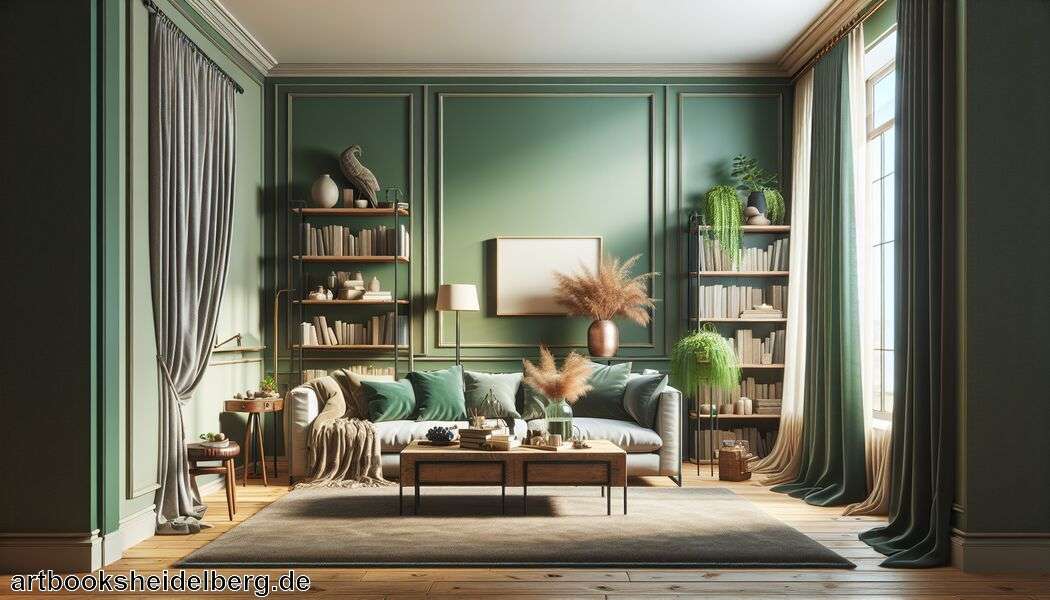
Stell dir vor, du trittst in dein Wohnzimmer ein und wirst von einer beruhigenden grünen Wand empfangen. Diese Farbe vermittelt nicht nur ein Gefühl von Ruhe, sondern bringt auch die Natur ins Zuhause. Grüntöne verleihen deinem Raum eine besondere Ausstrahlung und schaffen eine harmonische Atmosphäre, die zum Entspannen einlädt. Egal, ob du dich für sanftes Salbeigrün oder kräftiges Tannengrün entscheidest, der Einsatz von Grün als Wandfarbe kann das Gesamtbild deines Wohnraums nachhaltig verändern.
- Grün schafft eine beruhigende, harmonische Atmosphäre im Wohnraum.
- Helle Grüntöne bringen Licht, während dunkle Töne Gemütlichkeit fördern.
- Farbliche Kombinationen mit Neutraltönen sorgen für ein modernes Flair.
- Lichtverhältnisse beeinflussen die Wahrnehmung von Grüntönen erheblich.
- Pflanzen und dekorative Elemente unterstreichen das Naturgefühl im Raum.
Verschiedene Grüntöne für den Wohnraum
Grün kommt in zahlreichen Nuancen und jeder Farbton hat seine eigene Wirkung auf die Raumgestaltung. Helles Grün, wie Pistazie oder Mint, sorgt für eine frische, belebende Atmosphäre und eignet sich hervorragend für eine vollständige Wandgestaltung. Diese sanften Töne bringen Licht und Luftigkeit in den Raum und harmonieren ideal mit hellen Möbeln oder Holz.
Dunklere Grüntöne wie Tannengrün oder Smaragdgrün verleihen dem Wohnzimmer Eleganz und Gemütlichkeit. Sie sind perfekt, um Akzente zu setzen oder eine Wand hervorzuheben. Mit dunklen Holzmöbeln kombiniert, schaffen sie ein beeindruckendes Ambiente und unterstreichen die Wärme des Raumes.
Gelbstichige Töne wie Frühlingsgrün und Limette vermitteln Lebendigkeit und Energie. Diese Farben eignen sich gut für Bereiche, in denen das Leben pulsiert, und sorgen für eine positive Stimmung. Es lohnt sich, verschiedene Grüntöne zu kombinieren und so spannende Kontraste zu erzeugen, die dein Wohnzimmer lebendig wirken lassen.
Denke daran, dass der richtige Grünton nicht nur vom persönlichen Geschmack abhängt, sondern auch von der gesamten Einrichtung sowie der geplanten Nutzung des Raums.
Zusätzliche Ressourcen: Rosa vs Pink » Unterschiede und Kombinationen entdecken
Wirkung von Grüntönen auf die Stimmung
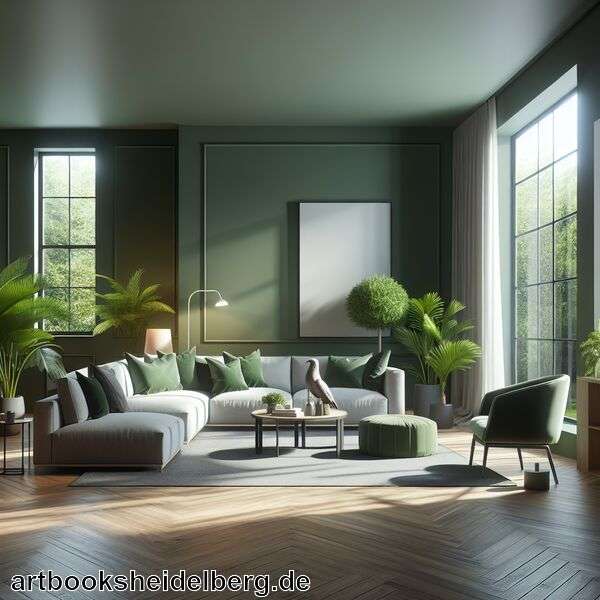
Zudem kann der gewählte Grünton auch die Kreativität und Konzentration unterstützen. Blaugrüne Töne können beispielsweise ausgleichend wirken und helfen, Stress abzubauen. Dies ist besonders hilfreich für Bereiche, die dem Arbeiten oder Lernen dienen. Auf der anderen Seite vermitteln gelbstichige Grüntöne wie Frühlingsgrün Gesundheit und Vitalität.
Die Entscheidung für einen bestimmten Grünton sollte also nicht nur vom Geschmack abhängen. Die Farbwirkung beeinflusst maßgeblich die emotionale Wahrnehmung des Raums und sollte bei der Gestaltung der Wände berücksichtigt werden. Ein harmonisches Zusammenspiel von Farben schafft eine einladende Umgebung, in der man sich wohlfühlt.
| Grünton | Wirkung | Kombination |
|---|---|---|
| Pistazie | Frisch und belebend | Helle Möbel, Holz |
| Tannengrün | Elegant und gemütlich | Dunkle Holzmöbel |
| Frühlingsgrün | Lebendig und energisch | Natürliche Materialien |
Kombination mit anderen Farben im Raum
Grün lässt sich hervorragend mit anderen Farben kombinieren, wodurch du interessante und ansprechende Raumkonzepte erschaffen kannst. Neutrale Farbtöne wie Weiß, Beige oder Grau schaffen eine harmonische Kulisse für grüne Wände. Diese Kombination verleiht dem Raum ein modernes Flair und sorgt für einen ruhigen Hintergrund, der das Grün subtil in den Vordergrund treten lässt.
Dagegen sorgen lebendige Akzentfarben wie Gelb, Rosa oder Blau für spannende Kontraste. Eine Kombination aus grün und Gelb kann zum Beispiel die Stimmung im Raum aufhellen und energetisch gestalten. Rosa und Grüntöne verleihen deinem Wohnzimmer gleichzeitig einen frischen und eleganten Look, während Blau eine beruhigende Wirkung hat.
Wenn du Holzmöbel in deinem Wohnraum hast, harmoniert dunkles Grün besonders gut damit. Das Holz bringt zusätzliche Wärme und vereint sich perfekt mit der Naturverbundenheit des Grüns. Auch gelbliche Grüntöne bieten hier eine gute Ergänzung, da sie Frische und Lebendigkeit ausstrahlen. Experimentiere deshalb gerne mit verschiedenen Farbnuancen, um die perfekte Mischung für dein Zuhause zu finden!
Bezug zur Natur und frischer Luft
Grün als Wandfarbe ermöglicht einen direkten Bezug zur Natur und vermittelt ein Gefühl von frischer Luft. Diese Farbe spiegelt das entspanannte Ambiente wider, das wir in Parks oder Wäldern erleben. Grüne Wände lassen den Raum lebendiger wirken und erzeugen eine Atmosphäre, die an natürliche Umgebungen erinnert.
Wenn du dein Wohnzimmer mit einem bestimmten Grünton gestaltest, kannst du die Erholung eines Waldspaziergangs ins Zuhause holen. Insbesondere, wenn du zusätzlich Pflanzen integrierst, wird dieser Effekt verstärkt. Grün harmoniert nicht nur hervorragend mit Holz und natürlichen Materialien, sondern fördert auch das allgemeine Wohlbefinden.
Der Einsatz von grünen Akzenten bietet eine hervorragende Möglichkeit, den Raum optisch aufzuwerten und gleichzeitig eine entspannende Stimmung zu schaffen. Wenn die Wände grün gestrichen sind, fühlen sich Bewohner und Besucher sofort wohler, da die Farbe eine beruhigende Wirkung hat. Ein solches Wohnkonzept lädt dazu ein, die tägliche Hektik hinter sich zu lassen und in eine Oase der Ruhe einzutauchen.
Die Wahl von Grün im Wohnraum ist also mehr als nur eine stilistische Entscheidung; sie ist ein Schritt hin zu einem harmonischen und atmosphärischen Zuhause.
Vertiefende Einblicke: Welche Farbe passt zu Beige? » Beige stilvoll kombinieren
Einfluss der Lichtverhältnisse auf Grün
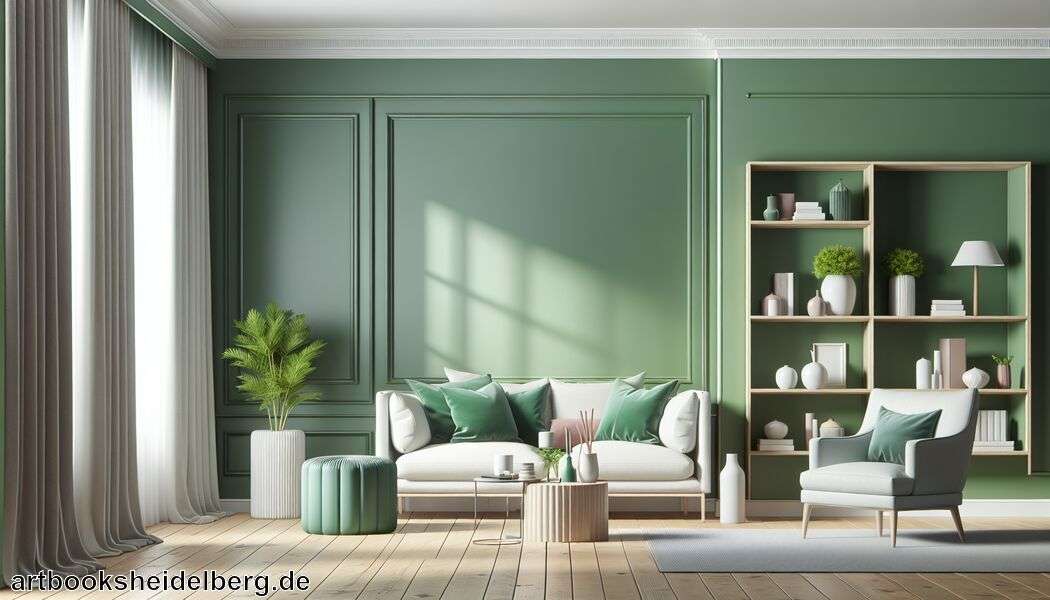
In dunkleren Räumen hingegen können helle Grüntöne wie Pistazie und Mintgrün dazu beitragen, den Raum optisch zu erweitern und ihn freundlicher erscheinen zu lassen. Diese Farben bringen Leuchtkraft und Frische, während sie gleichzeitig einen beruhigenden Effekt erzielen. Bei Kunstlicht kann grün hingegen unterschiedlich ausfallen. Warmweißes Licht verstärkt oft den Gelbstich in gelblichen Grüntönen und erzeugt eine gemütliche Stimmung.
Es lohnt sich auch, verschiedene Farbmuster an den Wänden auszutesten, um zu sehen, wie diese unter wechselnden Lichtverhältnissen wirken. So kannst du sicherstellen, dass dein gewählter Grünton zu jeder Tageszeit harmonisch aussieht und deinen Wohnraum optimal zur Geltung bringt.
Weiterführendes Material: Welche Farbe passt zu Khaki? » Harmonie mit Khaki finden
Pflegeleichte Wandfarben für den Alltag
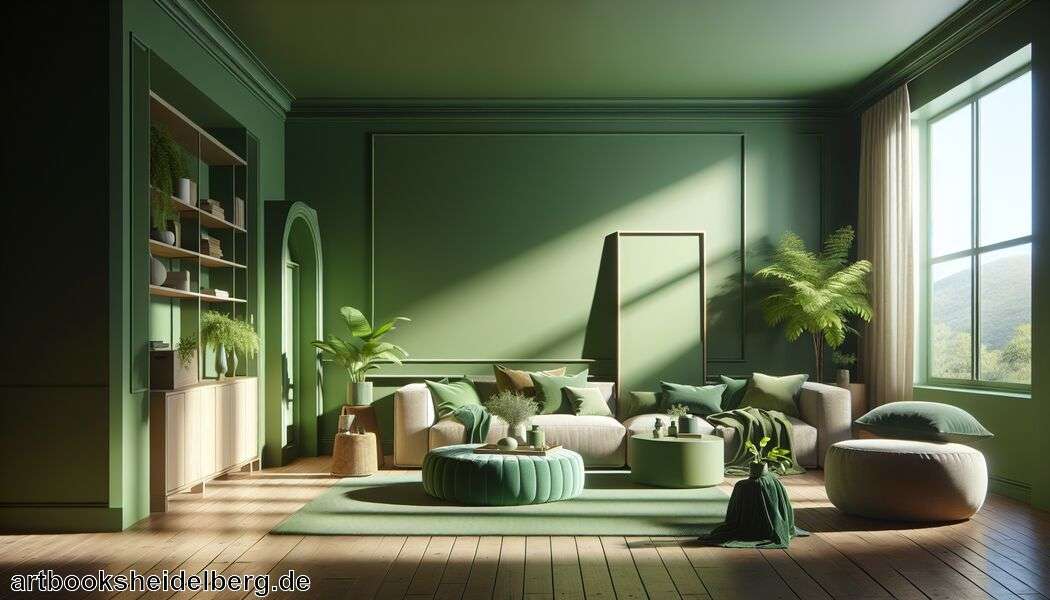
Darüber hinaus gibt es auch matte und glanzende Alternativen. Mattes Finish schafft eine elegante Atmosphäre, während ein seidenmatter oder glänzender Anstrich dafür sorgt, dass Licht reflektiert wird, was den Raum hell und einladend wirken lässt. Es ist wichtig, beim Streichen auf umweltfreundliche Produkte zurückzugreifen, die keine schädlichen Chemikalien enthalten. Diese tragen zur Verbesserung der Raumluftqualität bei und schaffen ein gesundes Wohnklima.
Praktische Tipps: Vor dem Auftragen einer neuen Farbe solltest du die Wände gründlich reinigen und vorbereiten. So sorgt du für eine optimale Haftung der Farbe und minimierst spätere Probleme beim Reinigen. Eine pflegeleichte Wandfarbe kann dir viel Zeit und Mühe im Alltag ersparen, während sie gleichzeitig einen frischen, modernen Look in dein Zuhause bringt.
| Grünton | Wirkung | Verwendung |
|---|---|---|
| Minze | Beruhigend und frisch | Für Akzentwände |
| Salbeigrün | Ruhig und elegant | In Kombination mit Weiß |
| Smaragdgrün | Luxuriös und kraftvoll | Ideal für moderne Designs |
Dekorative Elemente zur Auflockerung
Um deine grüne Wand im Wohnzimmer optimal zur Geltung zu bringen, solltest du dekorative Elemente in Betracht ziehen, die visuelle Auflockerung schaffen. Pflanzen sind hierbei eine hervorragende Wahl. Grüne Pflanzen betonen das natürliche Ambiente und sorgen gleichzeitig für eine frische Atmosphäre. Sie können sowohl klein und zierlich auf Regalen platziert werden als auch in großen Töpfen den Bodenbereich schmücken.
Auch Bilder und Kunstwerke mit floralen Motiven passen ausgezeichnet dazu. Ein wunderschöner Druck oder ein kreatives Gemälde kann an eine der Wände gehängt werden und bietet einen tollen Kontrast zur Farbe Grün. Dabei kannst du gezielt Akzentuierungen setzen, indem du Ramen in unterschiedlichen Materialien wählst, wie Holz oder Metall.
Zusätzlich können Textilien, beispielsweise Kissen oder Decken in passenden Grüntönen, die Gemütlichkeit erhöhen. Dies schafft nicht nur visuelles Interesse, sondern sorgt auch für mehr Komfort im Raum. Farbenfrohe Dekostücke oder Vasen aus Keramik setzen ebenfalls expressive Akzente. Die Kombination dieser Elemente ergibt ein harmonisches Gesamtbild und verwandelt dein Wohnzimmer in einen einladenden Rückzugsort.
Tipps für die Wandgestaltung in Grün
Um deine grüne Wand optimal zu gestalten, solltest du einige entscheidende Aspekte beachten. Beginne damit, die richtigen Grüntöne auszuwählen, die am besten zu deiner Einrichtung passen. Helle Töne wie Mintgrün oder Pistazie eignen sich hervorragend für kleineren Räume, da sie diesen mehr Licht und Luftigkeit verleihen. Dunklere Farben wie Tannengrün schaffen eine gemütliche Atmosphäre und sind ideal für größere Wohnbereiche.
Ein weiterer wichtiger Punkt ist die Kombination mit weiteren Farbakzenten. Verwendest du beispielsweise neutrale Farbe wie Weiß oder Beige, wird dein grüner Anstrich noch intensiver wahrgenommen. Akzentwände in kontrastierenden Farben können zudem spannende Highlights setzen. Erweitere den Blickfeld mit dekorativen Elementen wie Bilderrahmen oder gemusterten Textilien.
Denke auch an die Beleuchtung! Durch gezielte Spots oder Stehlampen kannst du die Farbnuancen hervorheben und dem Raum einen einladenden Charakter verleihen. Außerdem bieten Pflanzen einen zusätzlichen Touch von Natur. Sie bringen nicht nur Farbe ins Spiel, sondern verbessern gleichzeitig das Raumklima. Ein gut gestaltetes Wohnzimmer lädt zum Entspannen ein und ermöglicht es dir, dich rundum wohlzufühlen.